
Text or Call!
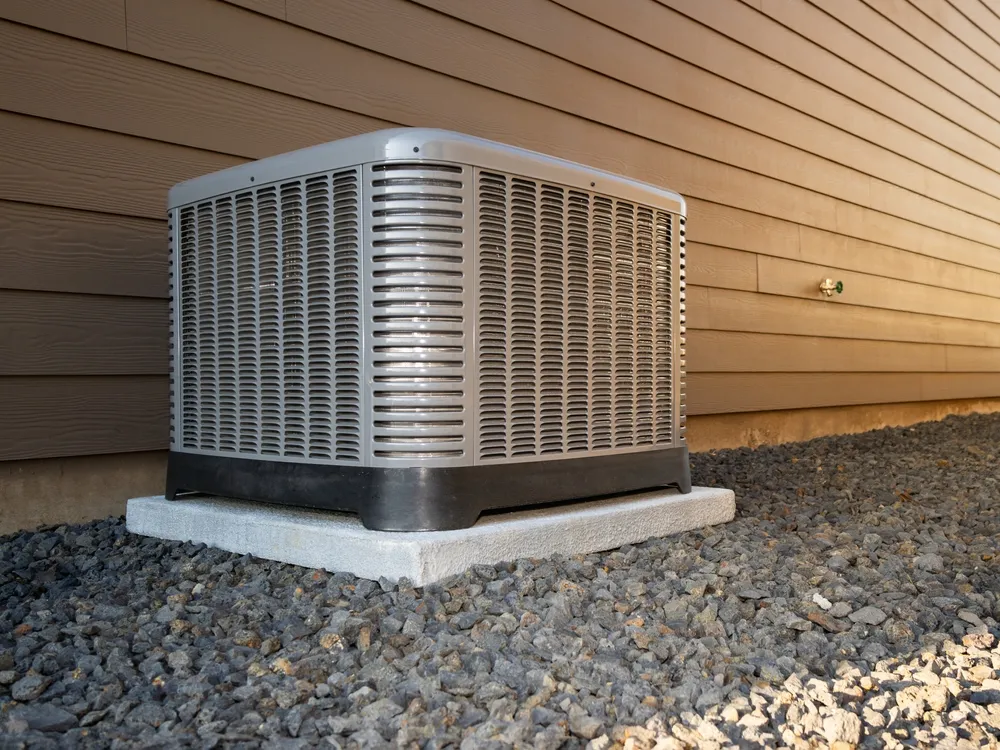
Heat pumps move heat rather than generate it, using refrigeration-cycle components to extract warmth from outdoor air or the ground and deliver efficient heating and cooling throughout the home. This article explains why homeowners consider heat pumps by outlining energy efficiency mechanisms, typical cost savings, year-round comfort benefits, cold-climate performance, and available incentives like federal tax credits. Many homeowners face rising heating costs and aging fossil-fuel systems; heat pumps offer a solution that reduces energy use, lowers emissions, and consolidates heating and cooling into a single system. You will learn how heat pumps compare to furnaces, what to expect during installation and maintenance, which rebates and incentives may apply, and how heat pumps affect indoor air quality and comfort. The following sections cover the main benefits, a direct heat-pump vs furnace comparison, practical installation and maintenance guidance, an incentives summary, and IAQ considerations to help you decide whether a heat pump fits your home.
A heat pump improves home energy efficiency by transferring thermal energy from outside to inside (or vice versa), which results in operating efficiencies often exceeding conventional electric resistance or fossil-fuel combustion systems. This mechanism — driven by a compressor, refrigerant loop, and indoor air handler — produces substantial energy savings and more consistent indoor temperatures. Homeowners gain year-round comfort because the same system provides cooling in summer and heating in winter, while also reducing onsite combustion pollutants and greenhouse gas emissions. Below is a concise list of primary homeowner benefits to summarize the value proposition before we quantify typical savings and performance.
Heat pumps deliver core homeowner benefits:
These benefits set up a practical look at quantified savings and system components, which help homeowners estimate payback and environmental impact.
Different homeowners realize different annual savings based on fuel replaced, electricity rates, and insulation levels; typical averages are meaningful to plan upgrades.
Understanding these numbers leads to a closer examination of how heat pumps achieve efficiency.
A heat pump improves efficiency by moving heat with a refrigerant cycle rather than creating heat through combustion or resistive elements, which enables coefficients of performance (COP) that commonly range from 2.0 to 4.0. Metrics such as SEER and HSPF describe electrical cooling and heating performance, and higher ratings correlate with lower energy consumption and operating cost. For example, a heat pump with an HSPF of 9 can deliver roughly double the useful heat per kilowatt-hour compared to electric resistance. Understanding components like the compressor, refrigerant, outdoor condenser, and indoor air handler clarifies why routine maintenance preserves efficiency and lowers bills.
These mechanics lead naturally to the dollar savings homeowners can expect and the factors that influence payback time.
Heat pumps enhance comfort by delivering steady airflow, precise temperature control, and integrated cooling without separate air conditioner equipment, often using zoning and smart thermostats for room-by-room control. Reversing valves and inverter compressors enable gradual, efficient modulation rather than on/off cycling, which reduces temperature swings and drafts. Ductless mini-split options provide direct room control and eliminate some duct losses, improving perceived comfort in older homes. These comfort features connect directly to environmental benefits and reduced household emissions.
Understanding environmental impact clarifies broader community and climate advantages.
Heat pumps reduce onsite combustion and greenhouse gas emissions by leveraging electricity to move heat; as grids decarbonize, heat pump emissions fall further, creating long-term climate benefits. They work well with renewable electricity sources and support national electrification trends that reduce reliance on oil and propane. Market adoption is increasing because heat pumps displace fossil fuels and lower lifecycle emissions, particularly when paired with energy efficiency upgrades. This sustainability rationale transitions into a focused comparison with traditional furnaces so homeowners can weigh tradeoffs.
A heat pump differs from a furnace by transferring heat versus generating heat through combustion; this yields higher seasonal efficiency, different cost profiles, and distinct cold-climate considerations. Heat pumps are hypernymized as part of modern HVAC systems offering both heating and cooling, while furnaces remain a combustion-based sibling entity focused on heating.
Operating costs for heat pumps are generally lower than oil or propane furnaces and are competitive with high-efficiency gas furnaces over time, though upfront installation and equipment costs can be higher. Incentives, rebates, and tax credits often reduce net installation cost and change payback calculations. Maintenance patterns differ: heat pumps require periodic refrigerant and airflow checks, while furnaces need combustion safety inspections; both benefit from regular tune-ups. Understanding total cost of ownership, including incentives, informs whether replacement or hybrid strategies make sense.
Cost comparisons lead into climate performance and backup heating strategies.
Modern cold-climate heat pumps maintain useful heating capacity well below freezing, with many models rated for effective operation into single-digit and subzero temperatures, though supplemental or dual-fuel strategies may be used in extreme cold. Homeowners in Massachusetts and neighboring New Hampshire should evaluate cold-climate models, consider insulation upgrades, and plan for backup heating controls or hybrid systems where appropriate. Proper sizing, correct refrigerant charge, and attention to defrost controls ensure reliable winter performance. These practical performance notes set up the installation and maintenance guidance that follows.
Homeowners should expect a site survey, load calculation, permit work, professional installation, and commissioning to ensure correct sizing and optimal performance from a heat pump system. Installation involves evaluating building envelope, ductwork or ductless placement, electrical service, and refrigerant routing; a follow-up commissioning confirms SEER/HSPF performance and thermostat integration. Preventive maintenance preserves efficiency: seasonal filter checks, coil cleaning, refrigerant level checks, and annual tune-ups extend lifespan and reduce failures. Below is a concise checklist and a numbered installation process to clarify homeowner expectations and timelines.
Typical installation steps include:
This stepwise view prepares homeowners for timelines and contractor interactions, and it transitions to system types and suitability.
Residential options include air-source heat pumps, ground-source (geothermal) heat pumps, ductless mini-split heat pumps, and hybrid systems that pair a heat pump with a fossil-fuel backup. Air-source units are the most common and cost-effective for many homes, ground-source offers higher steady efficiency but higher installation cost, and mini-splits excel in retrofit or zoned applications. Each type has tradeoffs in lifespan, maintenance, and required site work, and choice depends on home size, ductwork presence, and budget. Understanding these types guides homeowners toward the best fit for their property.
The choice of system directly affects installation steps and maintenance routines.
A typical installation begins with a professional site survey and load calculation, progresses through equipment selection and permitting, proceeds to outdoor and indoor unit installation with refrigerant and electrical connections, and finishes with commissioning and a homeowner walkthrough. Installations commonly take several days for full systems, while mini-split installs can be completed faster, depending on complexity and permitting. Proper commissioning includes airflow, refrigerant charge, and control setup to validate efficiency targets. Clear expectations about each step reduce surprises and support long-term performance.
Clear maintenance actions extend system life and prevent costly failures.
Regular maintenance—filter replacement, coil cleaning, refrigerant checks, lubrication of moving parts, and periodic control audits—sustain efficiency and can extend air-source heat pump lifespan toward 15 years or more, and ground-source systems often reach 25+ years with proper care. Seasonal tune-ups detect refrigerant leaks, airflow restrictions, and control issues before they become major problems. Maintenance plans and annual inspections provide predictable upkeep, maximize SEER/HSPF performance, and lower lifetime operating costs. These preventive practices help define when repairs or emergency service may be required.
Schedule repairs when you notice reduced heating/cooling capacity, unusual noises, rising energy bills, frequent cycling, or error codes on the control interface; these are early warning signs of component stress. Emergencies — complete loss of heating in extreme cold, refrigerant leaks, or electrical faults — require prompt service to protect comfort and safety. For homeowners seeking qualified help, Elemental Heating & Cooling LLC in Westford, MA offers services aligned to installation and service needs, including heat pump maintenance, heat pump repair, and heat pump replacement; their offerings and service model help homeowners get systems operating reliably. Prompt service minimizes downtime and prevents further system damage.
Local utility rebates provide additional upfront discounts or performance incentives and can often stack with federal and state programs to materially reduce net installation costs. Utilities may require specific equipment tiers and certified installers, so documenting eligibility and timing rebate claims correctly is essential. Contractors that assist with paperwork and coordinate rebate submission reduce administrative burden and help ensure homeowners receive all applicable funds. These stacking opportunities directly affect payback periods and system selection decisions.
The state of Massachusetts has ambitious goals for heat pump adoption to decarbonize residential heating, yet high electricity prices present a challenge to widespread uptake.
Heat pumps improve indoor air quality by integrating filtration, humidity control, and reduced combustion-source pollutants, contributing to a healthier home environment. Many systems offer multi-stage filters, MERV upgrades, and compatibility with whole-home humidification or dehumidification controls to manage moisture and particle levels. Quieter operation from inverter compressors and careful equipment siting lowers noise disruption compared to older HVAC equipment, enhancing perceived comfort. The following features explain filtration, noise, and health impacts in more detail to guide homeowners toward equipment and installation choices that support IAQ.
Heat pump systems support various filtration options, from basic washable filters to higher-efficiency MERV filters and add-on media filters, which reduce airborne particulates and allergens. Many systems integrate with whole-home humidifiers or dehumidifiers and use thermostat-based humidity controls to maintain healthy indoor moisture levels, reducing mold risk and respiratory irritation. Proper filter selection balances pressure drop and airflow to preserve system efficiency while improving IAQ. These filtration and humidity strategies naturally lead to quieter and more comfortable operation, discussed next.
Modern heat pumps use inverter compressors and improved outdoor unit design to reduce operational noise, and indoor air handlers are engineered for low sound levels, delivering quieter operation than many older furnace-AC combinations. Noise reductions improve occupant comfort and allow for flexible outdoor unit siting without intrusive sound levels. Choosing units with low decibel ratings and arranging professional installation further reduces perceived noise. The quiet operation complements IAQ improvements and overall health benefits.
By eliminating or reducing onsite combustion, heat pumps lower risks associated with carbon monoxide and combustion byproducts, improving indoor safety and air quality. Combined with effective filtration and humidity control, heat pumps support respiratory health for occupants, particularly those with allergies or asthma. Regular maintenance preserves filtration effectiveness and prevents issues that could compromise IAQ. For homeowners seeking professional help, Elemental Heating & Cooling LLC in Westford, MA assists with heat pump replacement and general HVAC installation services that include heat pumps and mini-splits, and can guide rebate applications and system optimization to improve both comfort and health while offering free HVAC Maintenance Estimates, transparent upfront pricing, same-day service availability from 7 am to 5 pm on weekdays including Saturdays, and support with Mass Save and ENERGY STAR incentive navigation.
Research comparing heat pump operating costs across the United States provides valuable insights for homeowners considering this technology for heating, cooling, and water heating.
Mon - Fri: 9am - 5pm
Sat - Sun: Closed
Call us for a free estimate
978-496-8320