Text or Call!
New England’s harsh winters present unique challenges for HVAC systems, impacting their performance and efficiency. Homeowners often face increased energy bills and system failures due to the cold weather. This article will explore how New England’s weather affects HVAC systems, best maintenance practices for winter, and strategies to improve heat pump efficiency. Additionally, we will discuss energy efficiency programs available in Massachusetts that can help homeowners offset costs. By understanding these factors, homeowners can ensure their HVAC systems operate effectively throughout the winter months.
New England’s weather is characterized by cold temperatures, heavy snowfall, and fluctuating conditions, all of which can significantly impact HVAC systems. The cold climate can lead to reduced efficiency and increased wear on heating systems, making regular maintenance essential. Understanding these effects helps homeowners prepare their HVAC systems for the winter months.
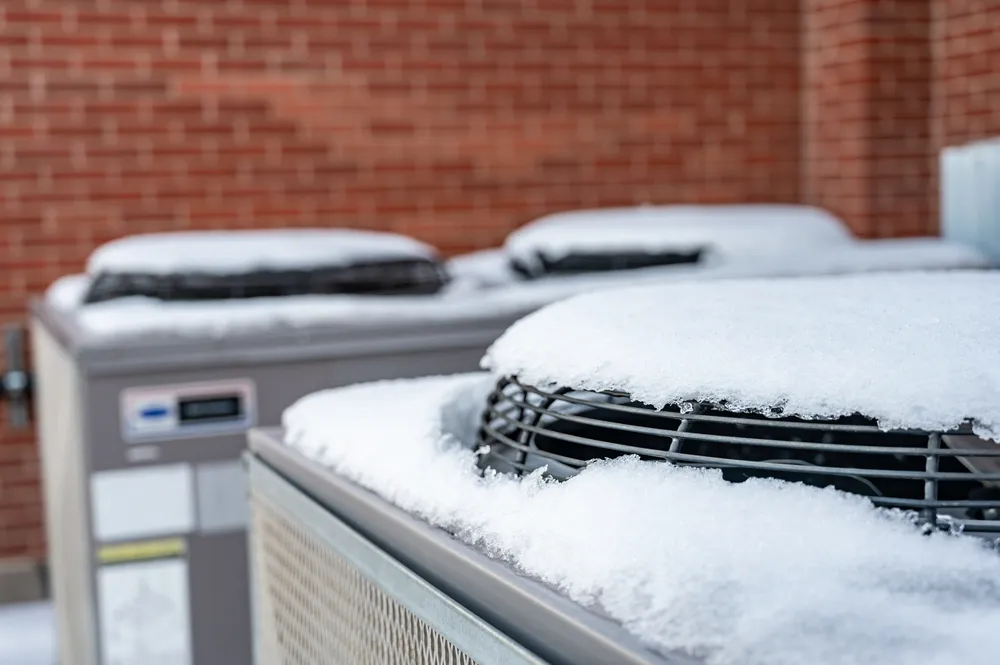
Cold weather poses several challenges for heat pumps, primarily due to their reliance on outdoor air for heating. In extreme cold, heat pumps can struggle to extract sufficient heat, leading to reduced efficiency and increased energy consumption. Additionally, the risk of system failure rises as components may freeze or become less effective, necessitating regular inspections and maintenance to ensure reliable operation.
Seasonal temperature variations can significantly affect HVAC efficiency. During winter, the demand for heating increases, which can strain systems not designed for extreme cold. This strain can lead to longer heating cycles and higher energy bills. Homeowners should be aware of these variations and consider seasonal maintenance to optimize their HVAC systems for changing temperatures.
Maintaining HVAC systems during Massachusetts winters is crucial for ensuring reliability and efficiency. Regular maintenance practices can help prevent breakdowns and extend the lifespan of heating systems. Homeowners should schedule annual inspections to identify potential issues before they become major problems. It is also important to replace or clean filters regularly to ensure proper airflow and system efficiency. Additionally, inspecting ductwork for leaks and ensuring insulation is adequate can prevent heat loss and improve overall system performance.
Preparing HVAC systems for cold weather involves several key steps. Homeowners should inspect heating systems to ensure that all components are functioning correctly and efficiently. It is also essential to check windows and doors for drafts and seal any leaks to maintain indoor temperatures. Testing thermostat functionality is another important step to verify that thermostats are working properly and providing accurate temperature control.
Certain maintenance actions can enhance the reliability of HVAC systems during winter. Regular cleaning and servicing of heat pump components can improve efficiency and prevent breakdowns. Checking that all electrical connections are secure helps prevent power issues. Furthermore, ensuring proper airflow by clearing any obstructions around vents and registers maintains optimal system performance.
Improving heat pump efficiency in cold climates involves understanding the technology and implementing best practices. Innovations in heat pump design have made them more effective in low temperatures, allowing for better performance.
Recent advancements in heat pump technology include inverter technology, which allows heat pumps to adjust their output based on demand, thereby improving efficiency. Newer models also feature enhanced defrost cycles that minimize energy loss during operation. Additionally, smart thermostat integration enables optimization of heating schedules based on user behavior and weather forecasts.
The defrost cycle is crucial for maintaining heat pump efficiency in cold weather. It periodically removes frost buildup on the outdoor unit, ensuring optimal heat exchange. This process helps maintain energy efficiency and prevents system strain, allowing heat pumps to operate effectively even in freezing temperatures.
Massachusetts offers various energy efficiency programs and rebates to support homeowners in upgrading their HVAC systems. These programs can significantly reduce the cost of energy-efficient installations and improvements. Homeowners can take advantage of state rebates that provide financial incentives for installing energy-efficient heat pumps. There are also low-interest financing options available to finance energy upgrades at reduced interest rates. Additionally, free home energy assessments are offered to identify energy-saving opportunities.
Energy efficiency programs can lead to substantial savings on HVAC operating costs by lowering energy bills through improved efficiency, which reduces the amount of energy consumed and leads to lower monthly bills. These programs also help extend system lifespan by encouraging regular maintenance and upgrades, which can prolong the life of HVAC systems and reduce replacement costs. Furthermore, efficient systems provide better temperature control and comfort, enhancing overall home quality.
During winter, HVAC systems can encounter various issues that may require troubleshooting. Understanding these common problems can help homeowners address them promptly. Insufficient heating is often caused by dirty filters, closed vents, or thermostat issues. Frequent cycling, where the system turns on and off frequently, may indicate an oversized unit or airflow problems. Unusual noises can signal mechanical problems that need immediate attention.
Identifying heat pump issues involves observing performance and listening for unusual sounds. Homeowners should check that filters are clean and replaced regularly to maintain proper function. It is also important to inspect vents to ensure they are open and unobstructed. Monitoring thermostat settings to verify that the thermostat is set correctly and functioning properly is another key step in troubleshooting.
Homeowners can follow several tips for effective HVAC repairs during winter. Safety should always come first, so it is important to turn off power to the system before performing any repairs. Using proper tools ensures the job is done correctly and helps avoid damage. For complex issues, it is best to consult professionals by contacting a qualified HVAC technician to ensure proper repairs are made.
Mon - Fri: 9am - 5pm
Sat - Sun: Closed
Call us for a free estimate
978-496-8320